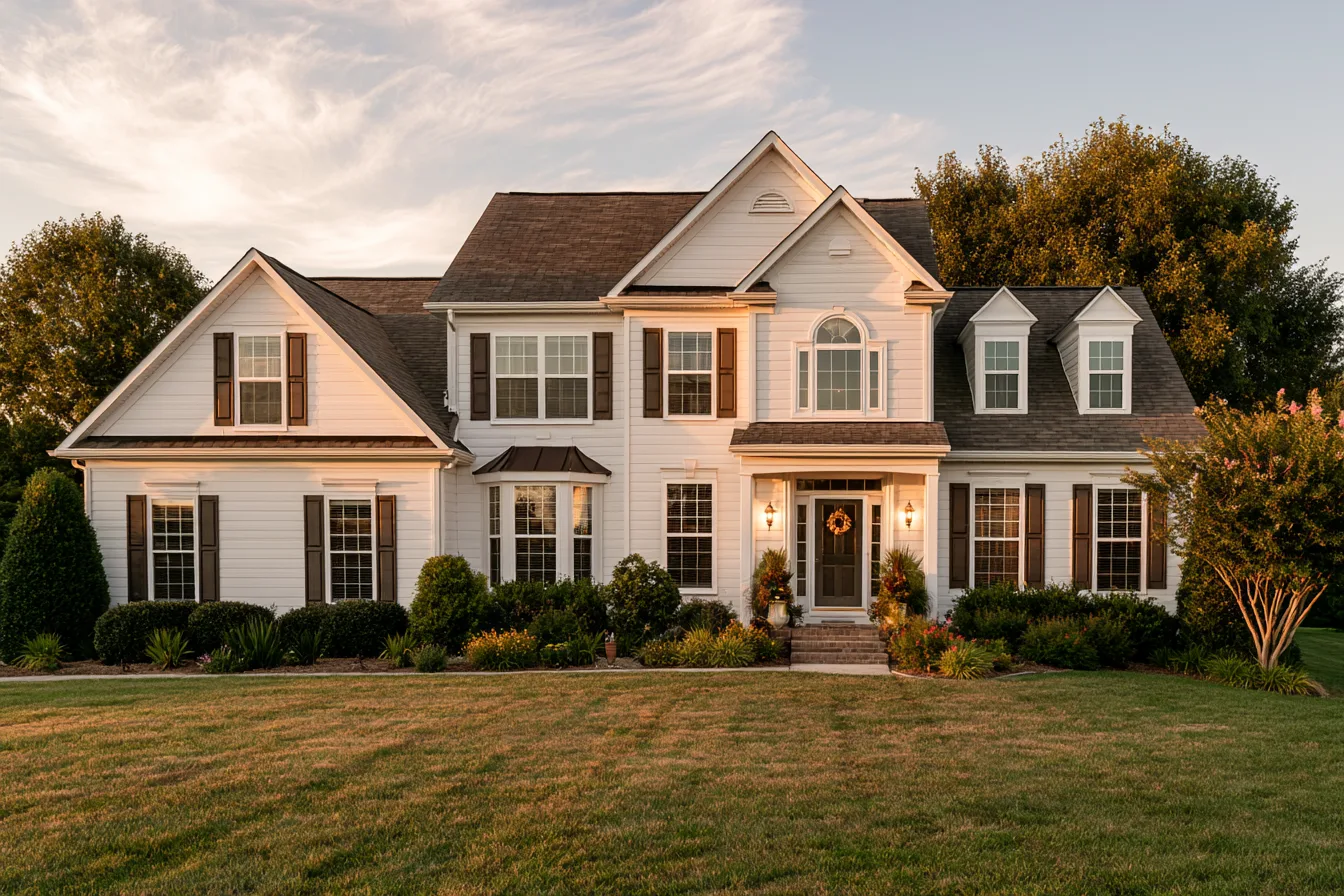
Roof replacement
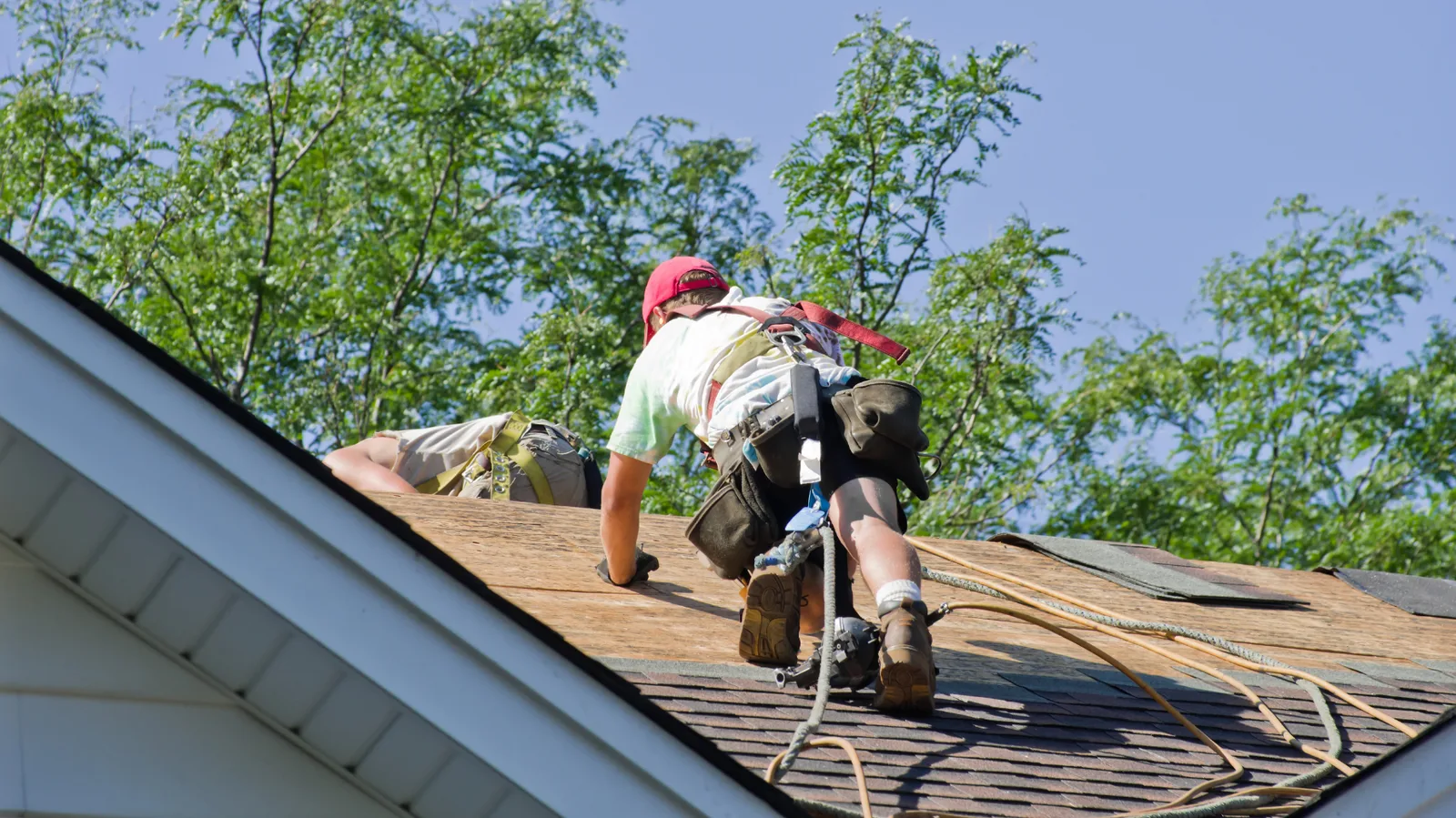
Remove the old covering, repair the deck and plan a complete roofing assembly when local repairs no longer reach sound material.
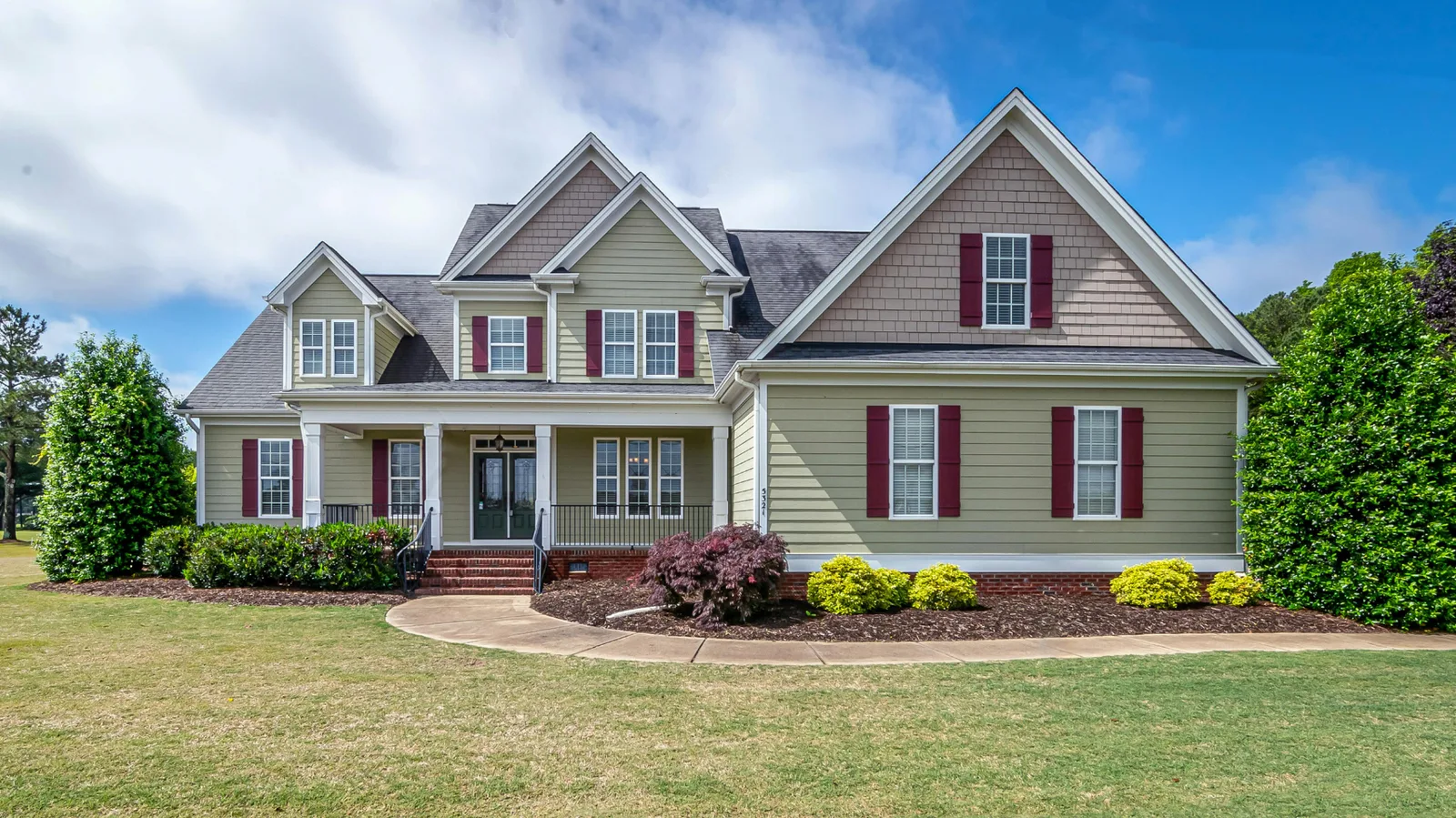
The right roofing service depends on what has failed and what is still sound. Start with the problem, then use the inspection to settle the scope.
Call about your roof (816) 281-9183
A stain, a torn shingle and a roof worn across several slopes do not call for the same project.
Remove the old covering, repair the deck and plan a complete roofing assembly when local repairs no longer reach sound material.
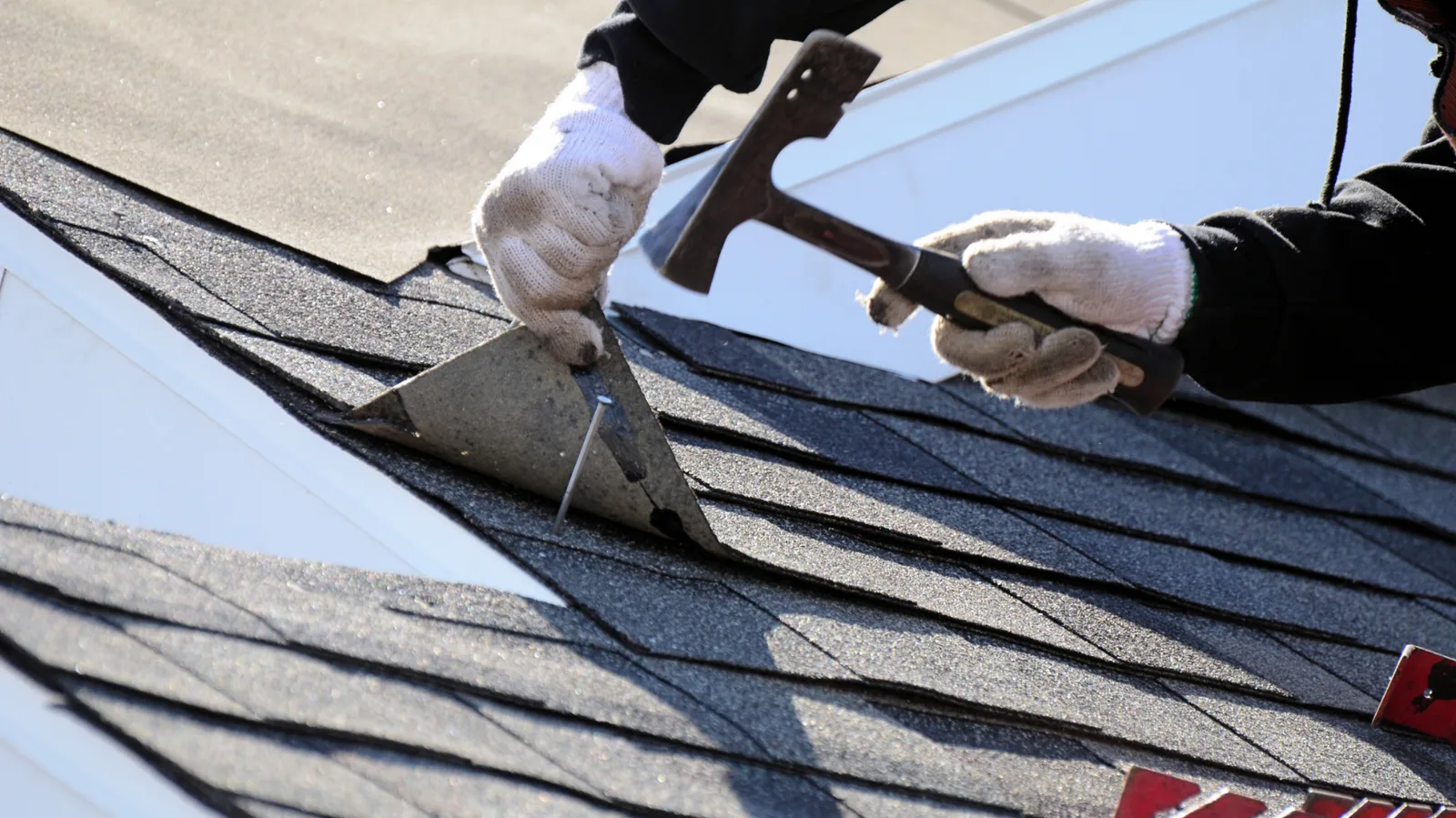
Restore a damaged detail or section while keeping sound roofing in place. Learn how the repair joins the surrounding layers.
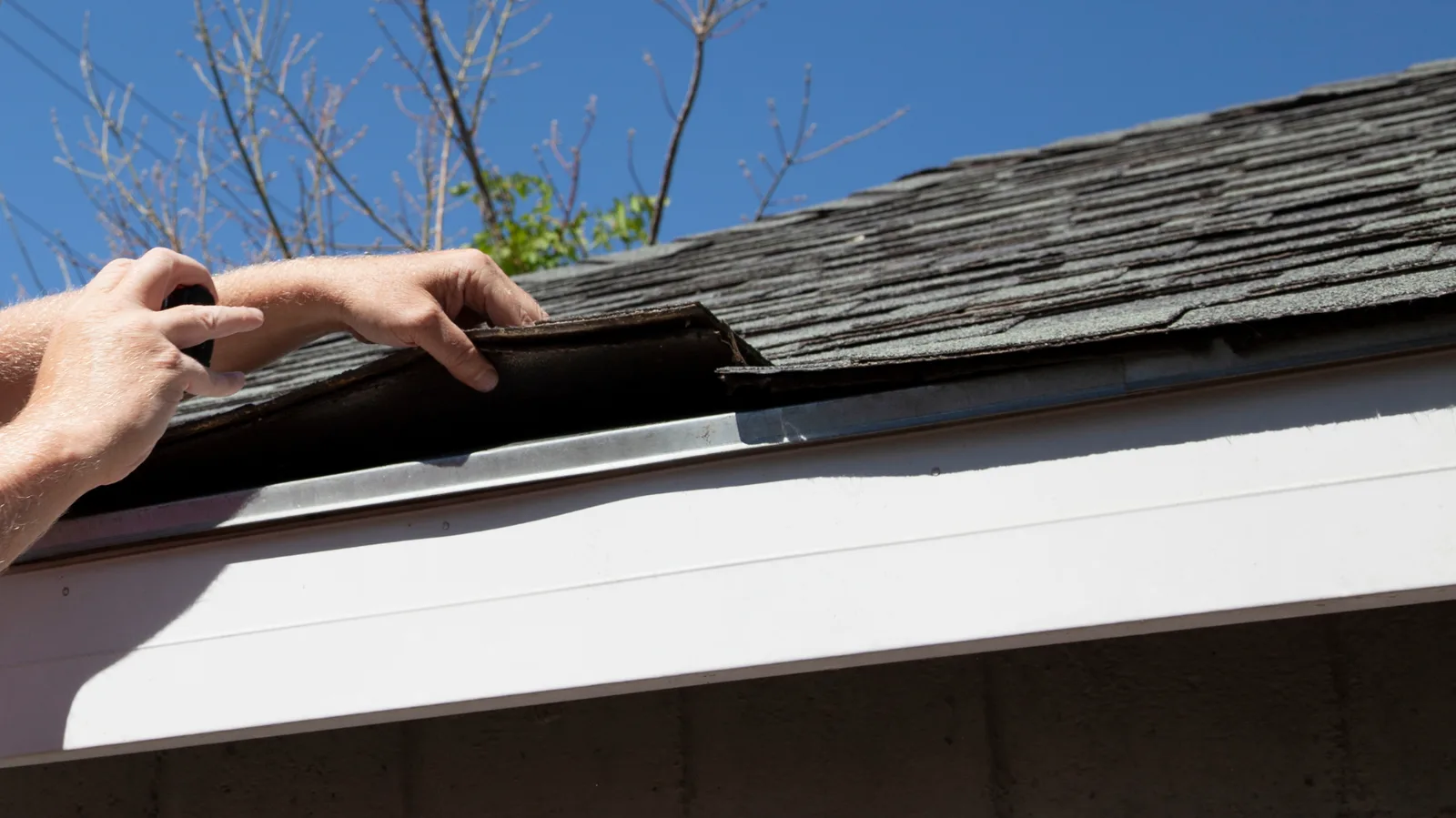
Get a free inspection to understand the visible condition before choosing the next work.
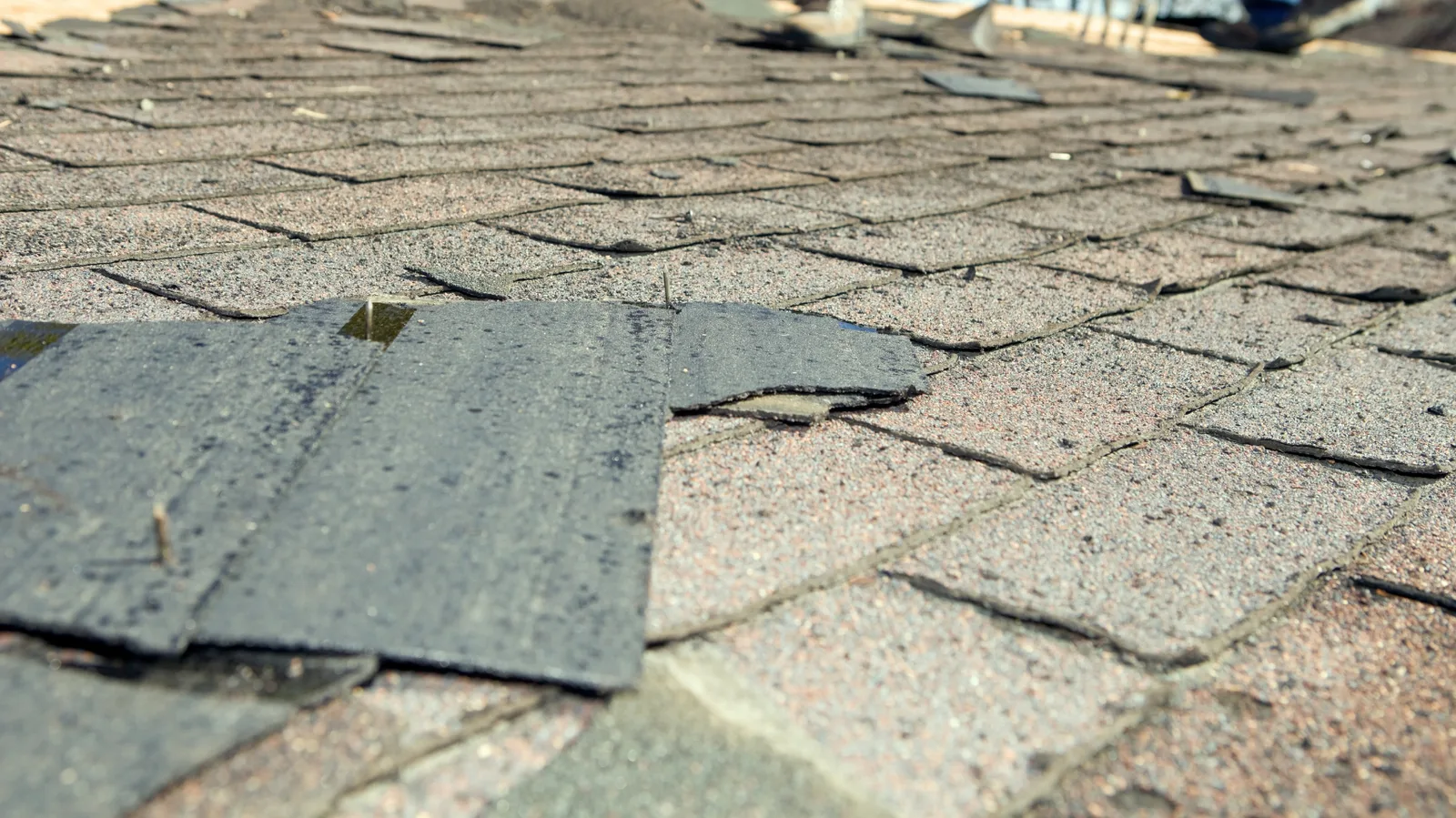
Evaluate wind or hail damage, temporary protection and permanent repairs without treating a storm report as a roof diagnosis.
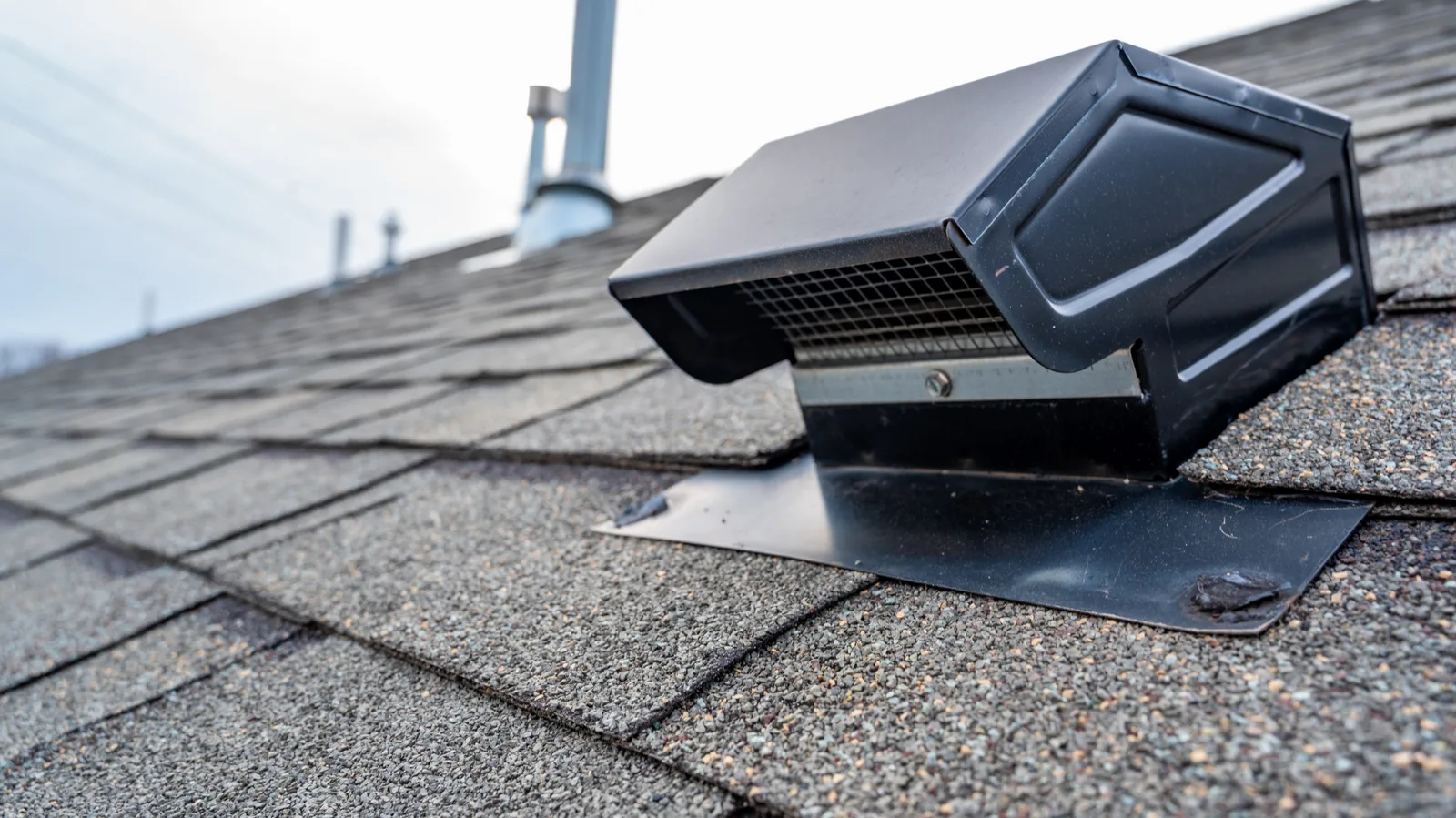
Follow the water to the entry point at penetrations, walls, valleys and other breaks in the roof.
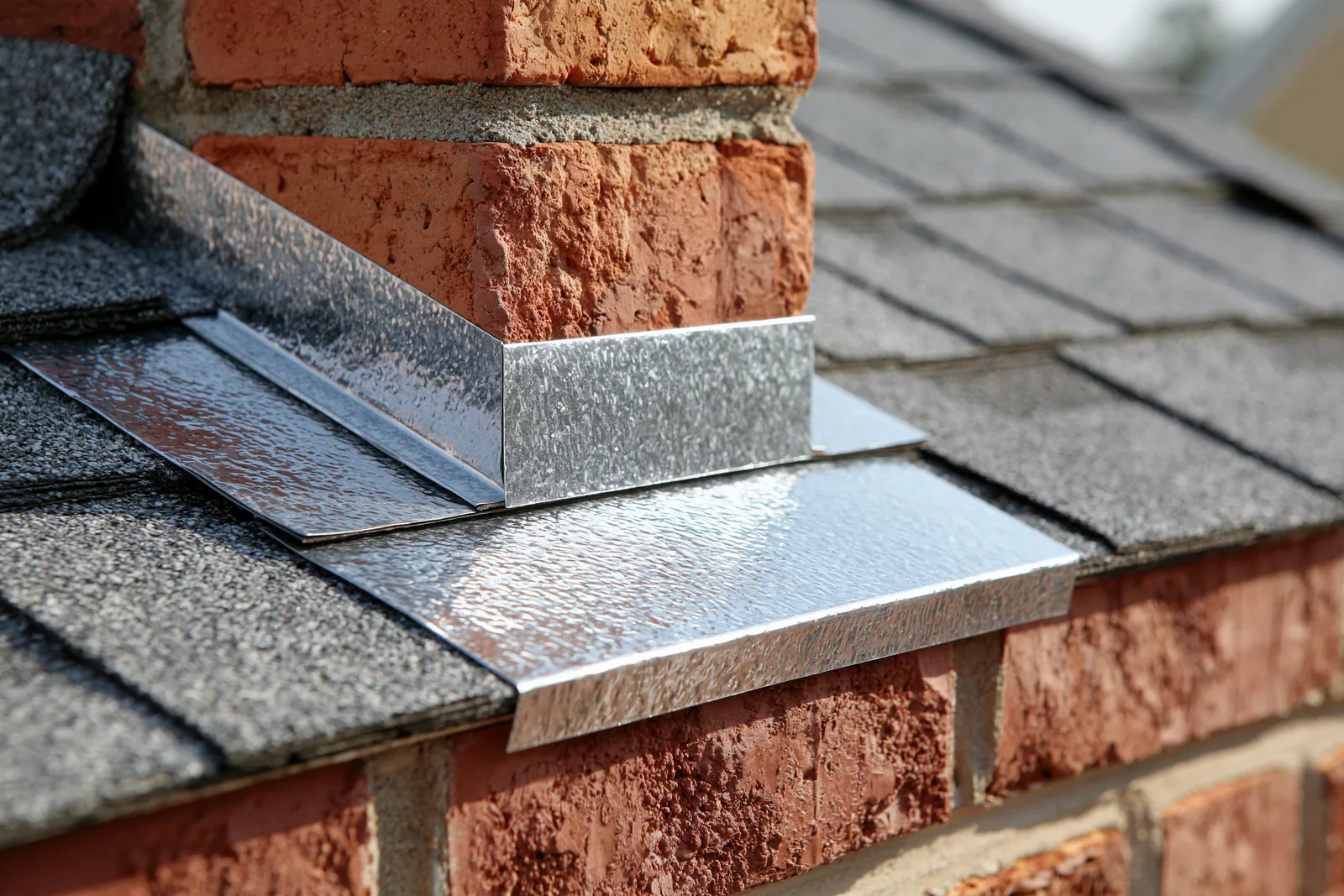
Resolve metal transitions around walls and chimneys, including the layers underneath a failed seal.
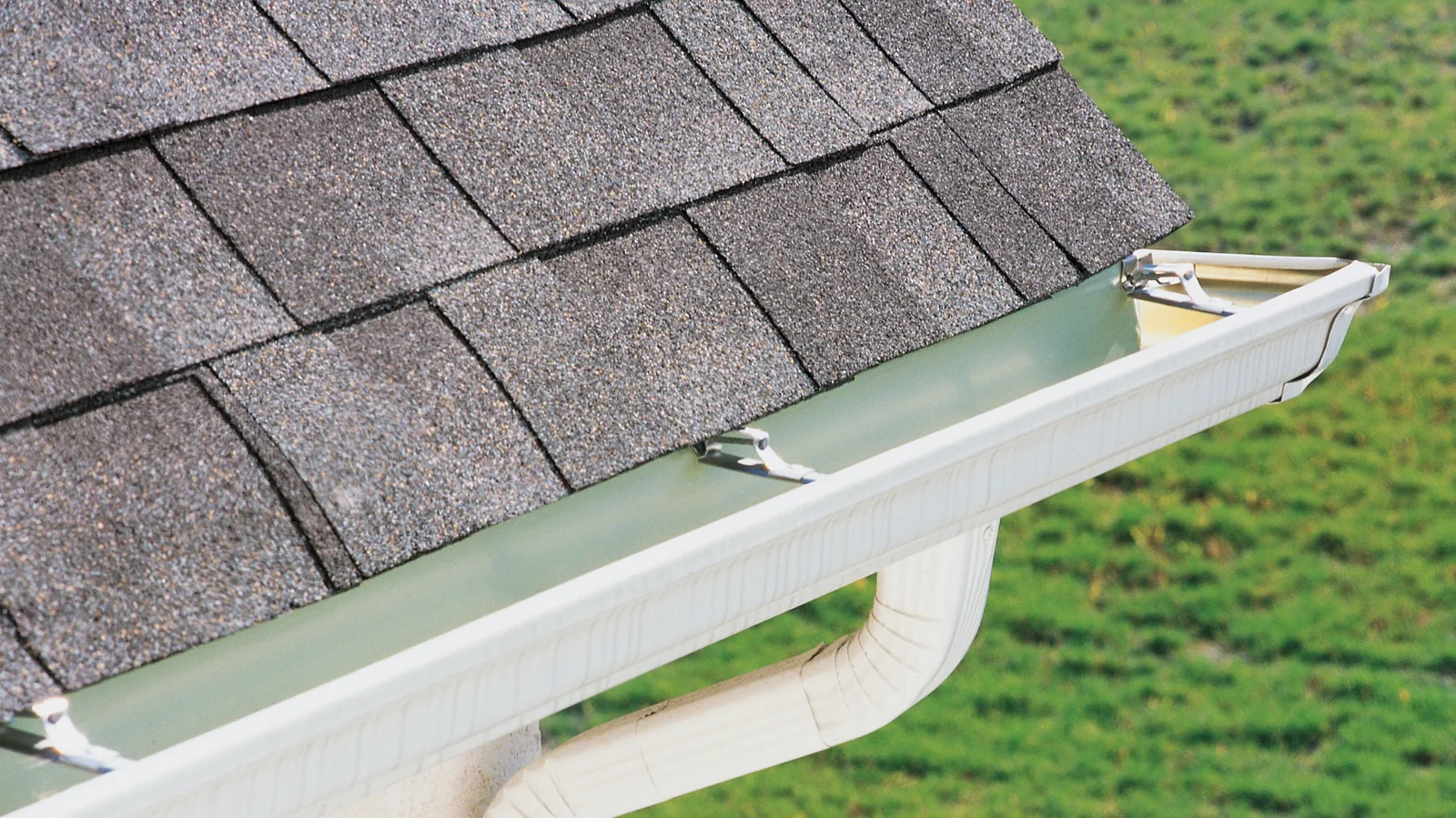
Keep runoff moving from the eave into a sound gutter and a useful discharge path.
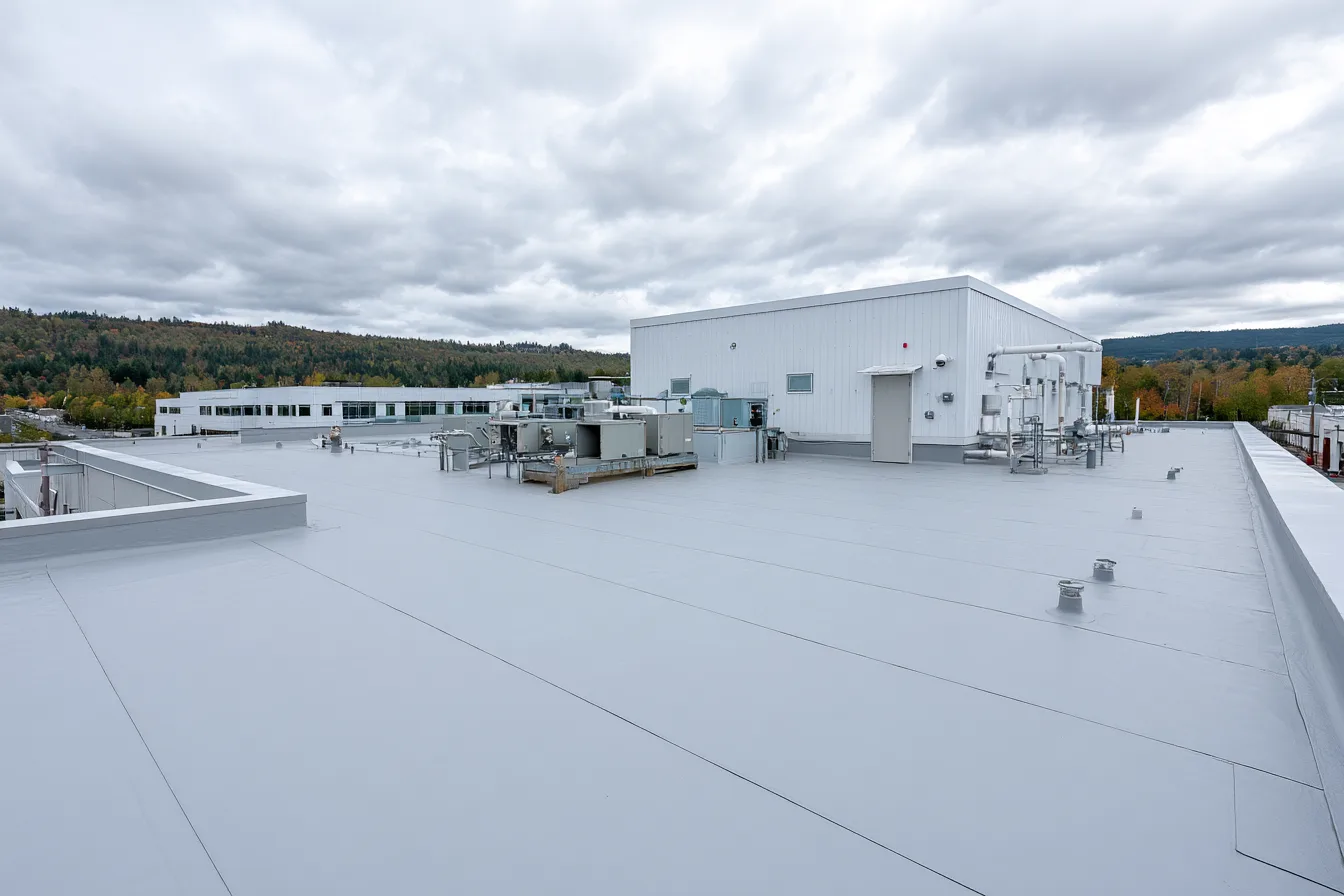
Match repairs, restoration or replacement to the building's system, moisture condition and operations.
An inspection turns a broad service label into work that fits the roof.
A damaged shingle can be replaced when adjacent shingles lift without cracking. When brittle material breaks around the opening, the repair has to widen until it reaches roofing that can hold the new work.
A sound-looking covering can hide deteriorated decking or wet insulation. Opening a repair or tearing off the roof establishes what needs to be removed and what remains usable.
Valleys concentrate runoff. Low slopes shed it slowly. Drains and wall connections need details that match that movement. A different covering does not correct a bad water path by itself.
You don't need to pick a material or understand the code before getting help. The sequence starts with the roof.
Share the location, the visible concern and whether water is entering. Those details help begin the inspection conversation.
A roofer checks the roof when access is safe and considers repairable details, surrounding condition and the extent of the problem.
Material, tear off, hidden-damage allowances, access and project terms belong in the proposed work. The contractor performing the project settles scheduling and applicable warranties.
Call (816) 281-9183 for Raymore roofing help or request a free inspection. Describe the problem in your own words.